Choosing the right battery is one of the most important decisions when building a solar energy storage system. The battery affects how much energy can be stored, how long backup power can last, how stable the system will be, and how easy it will be to expand in the future.
LiFePO4 batteries are widely used in modern solar storage systems because they offer stable performance, long cycle life, and safer battery chemistry. They are suitable for homes, villas, offices, shops, farms, and off-grid power applications. For users who want a reliable and long-term energy solution, LiFePO4 battery storage is a practical choice.
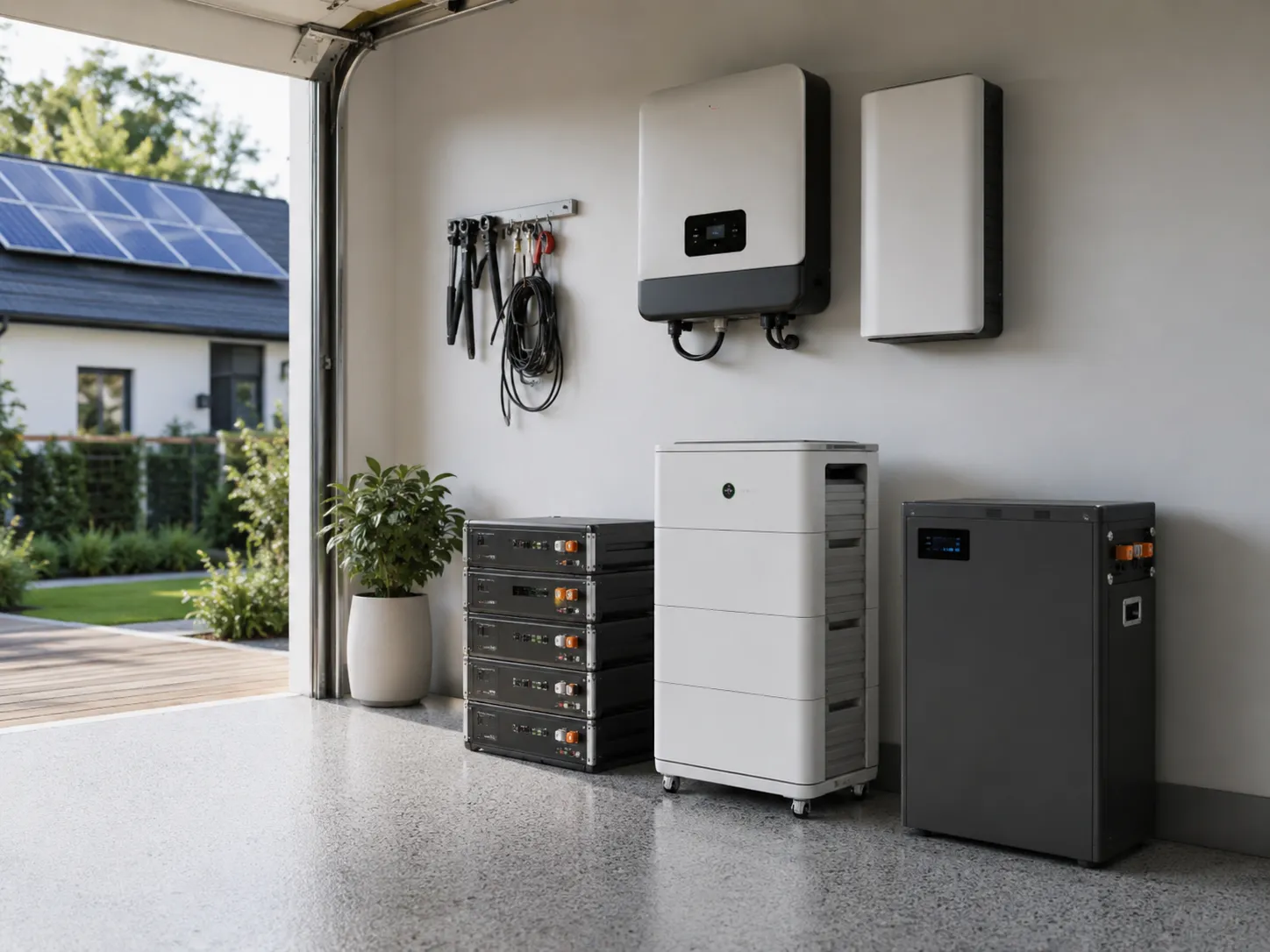
Before choosing a battery, users should first understand their power demand. A small household may only need a compact wall-mounted battery for basic backup power, while a larger home or commercial space may require a floor-standing battery system with higher capacity. Common applications may include lighting, refrigerators, routers, computers, pumps, security systems, and other essential devices.
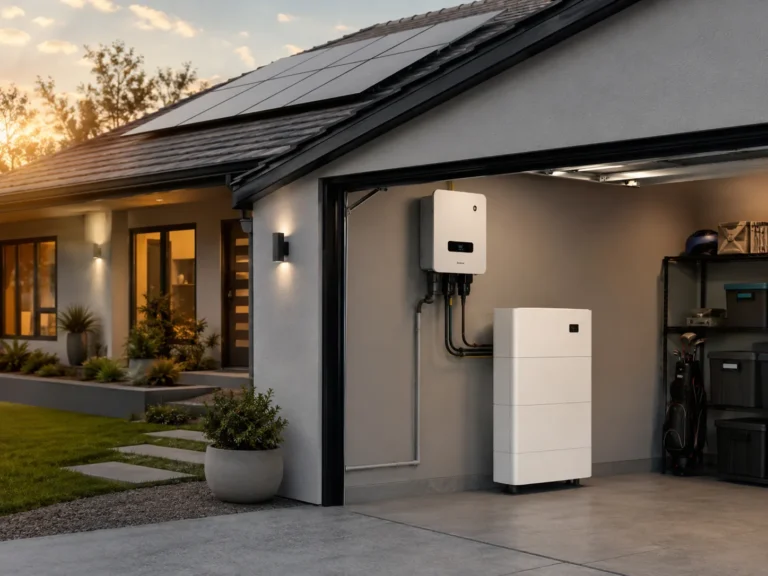
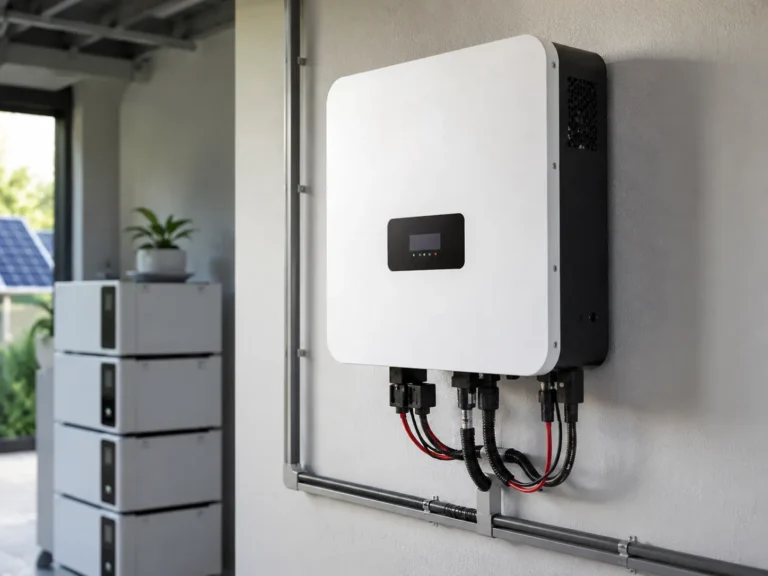
Installation space is also very important. Wall-mounted batteries are ideal for limited spaces such as garages, technical rooms, and utility walls. They save floor space and create a clean installation appearance. Floor-standing batteries are better for users who need larger energy storage capacity or future expansion. They can be placed neatly beside an inverter or arranged as part of a larger energy system.
Inverter compatibility should also be checked before purchase. The battery and inverter need to work together smoothly for charging, discharging, communication, and system protection. A well-matched system can improve safety, efficiency, and long-term stability.
Battery management is another key point. A quality LiFePO4 battery system should include protection against overcharge, over-discharge, overheating, short circuit, and abnormal operating conditions. These protections help extend battery life and improve system reliability.
When selecting a LiFePO4 battery, users should not only look at capacity. They should also consider installation method, product structure, safety design, communication compatibility, expansion ability, and after-sales support. A properly selected battery system can help users make better use of solar energy and build a more dependable power solution.