Home energy storage is becoming an important part of modern residential energy management. As more families install solar panels and look for more stable electricity solutions, an inverter and LiFePO4 battery storage system can help make daily power use smarter, safer, and more flexible.
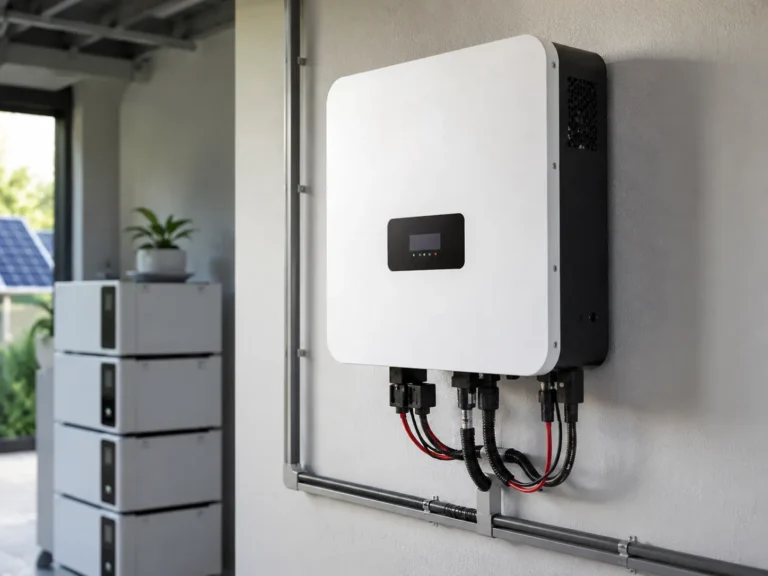
In a typical home energy storage system, solar panels generate electricity during the day. The inverter converts this power into usable electricity for household appliances, while the battery stores extra energy for later use. When the sun goes down or the grid becomes unstable, the stored energy can continue supporting essential home devices.
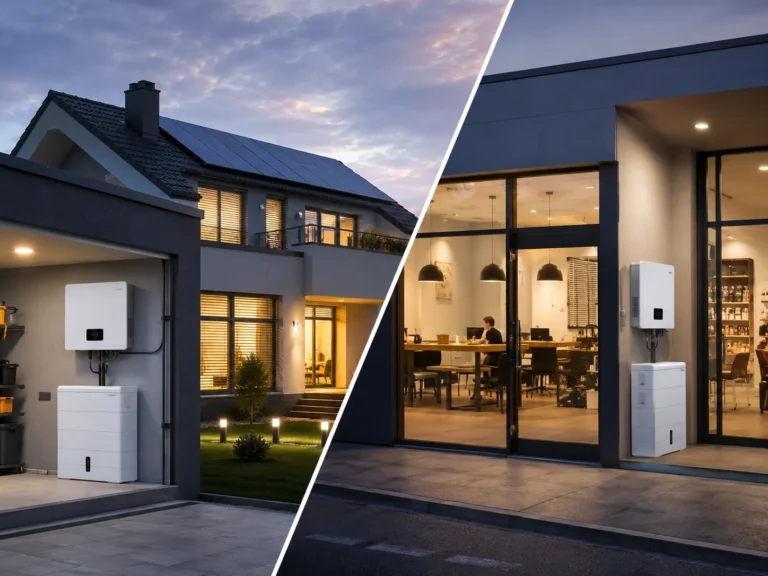
This type of system is especially useful for families that want more control over their electricity. Instead of depending only on the grid, users can store clean energy and use it when it is most needed. Lighting, refrigerators, routers, security cameras, computers, and other important household loads can be supported by the battery system during power interruptions.
LiFePO4 battery technology is well suited for residential applications because it offers stable performance, long service life, and safer operation. Compared with traditional battery options, LiFePO4 batteries are often chosen for home storage because they are reliable, efficient, and suitable for long-term daily use.
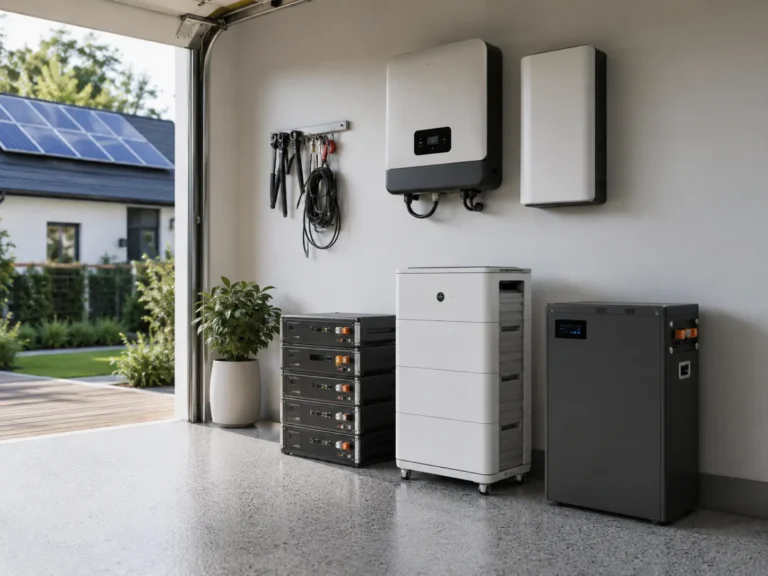
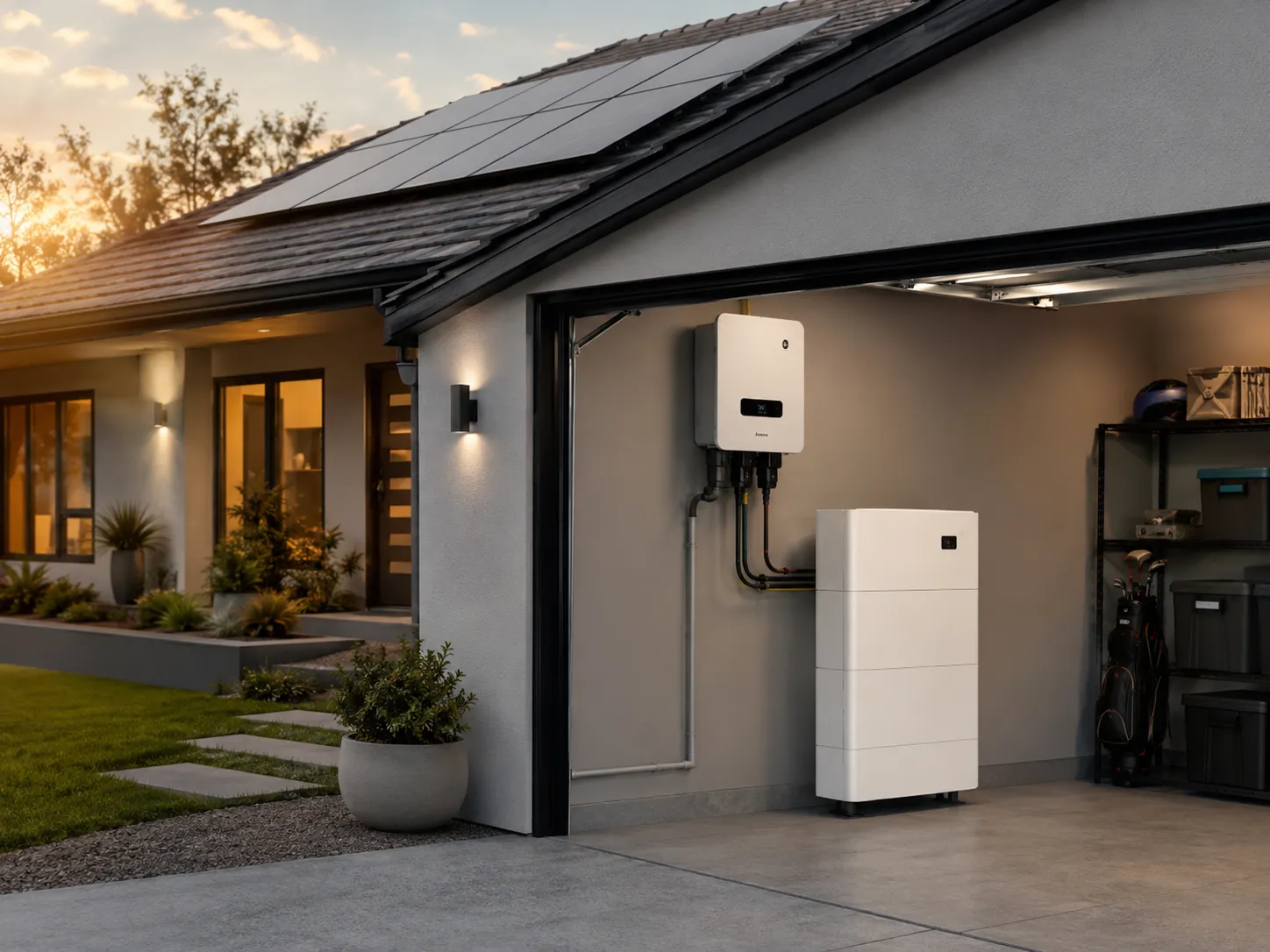
Another advantage of home energy storage is flexible installation. Wall-mounted batteries can save space in garages or utility rooms, while floor-standing battery cabinets can provide larger capacity options for homes with higher energy demand. All-in-one systems also offer a clean and modern appearance for residential projects.
For homeowners, a complete energy storage system is not only a backup solution. It is also a smarter way to manage solar energy. By combining solar panels, inverters, and battery storage, users can improve energy independence, reduce energy waste, and create a more stable power environment for everyday life.
As energy costs and power stability become bigger concerns, home energy storage is moving from an optional upgrade to a practical household solution. It helps families enjoy cleaner power, better backup protection, and a more reliable energy experience.